Powered by

-
Car Reviews
Latest reviews
-
Car News
Latest news
-
Car Comparisons
Latest comparisons
- Chasing Deals
Latest reviews
Latest news
Latest comparisons
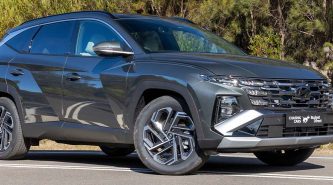
| 2026 Tucson variant | Price before on-road costs |
|---|---|
| Tucson 2.0-litre FWD | $38,100 (reduced $1000) |
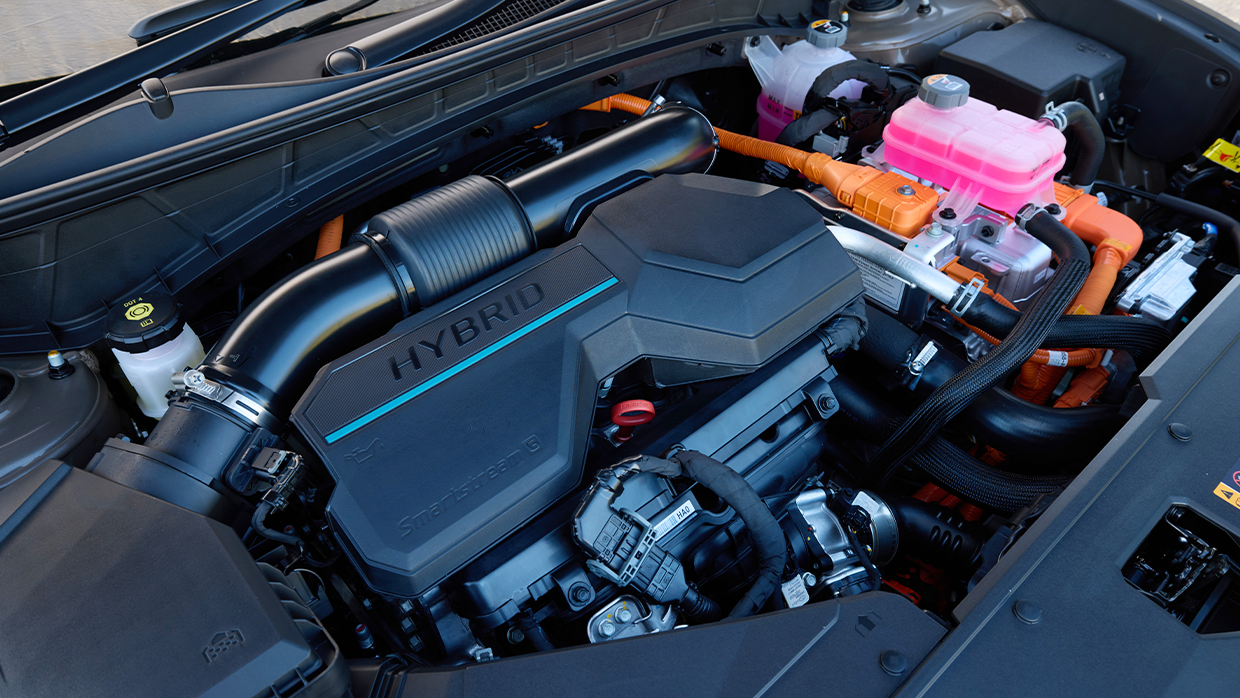
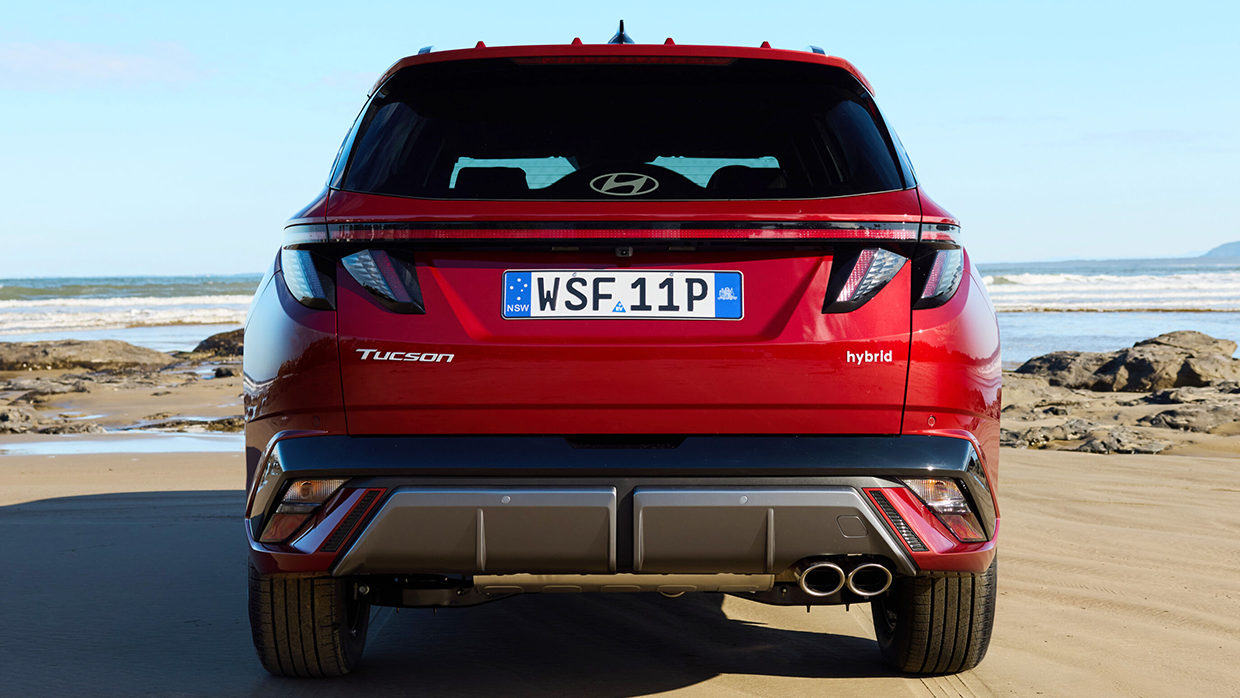
| Tucson 1.6-litre turbo-hybrid FWD | $42,600 (reduced $2500) |
| Tucson Elite 2.0-litre FWD | $43,100 (reduced $1000) |
| Tucson Elite 1.6-litre- turbo-hybrid FWD | $48,100 (reduced $2000) |
| Tucson Elite 1.6-litre turbo-hybrid AWD | $50,600 (reduced $2000) |
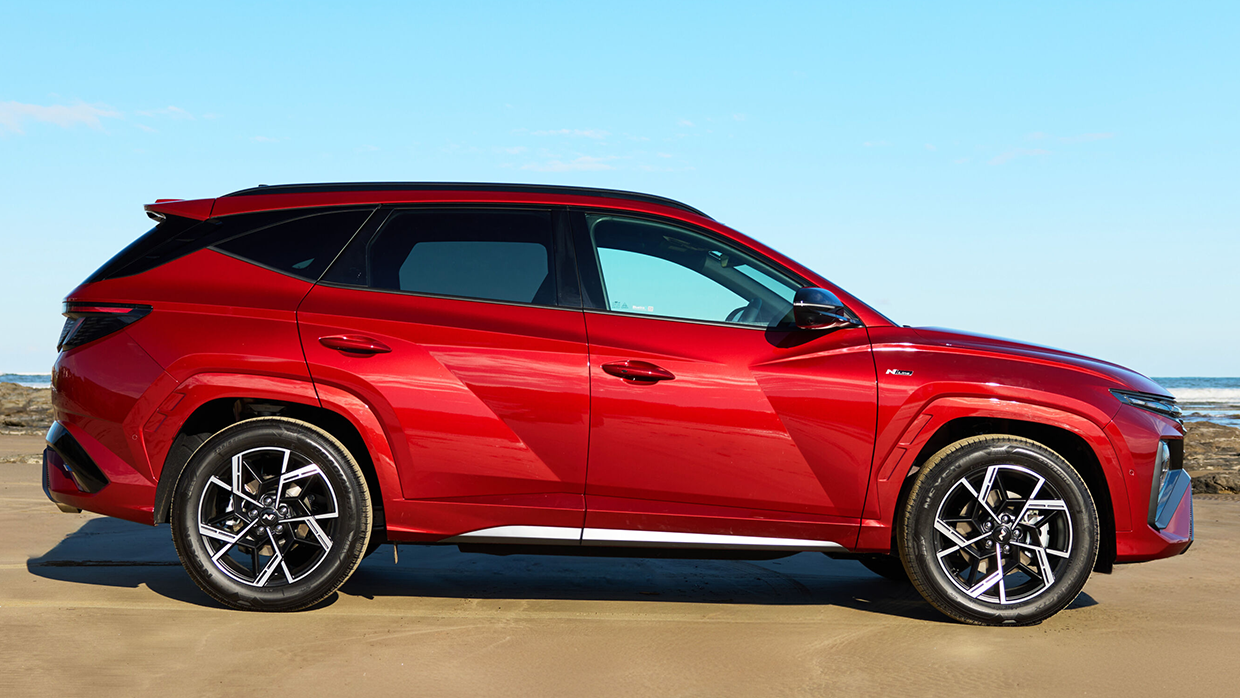
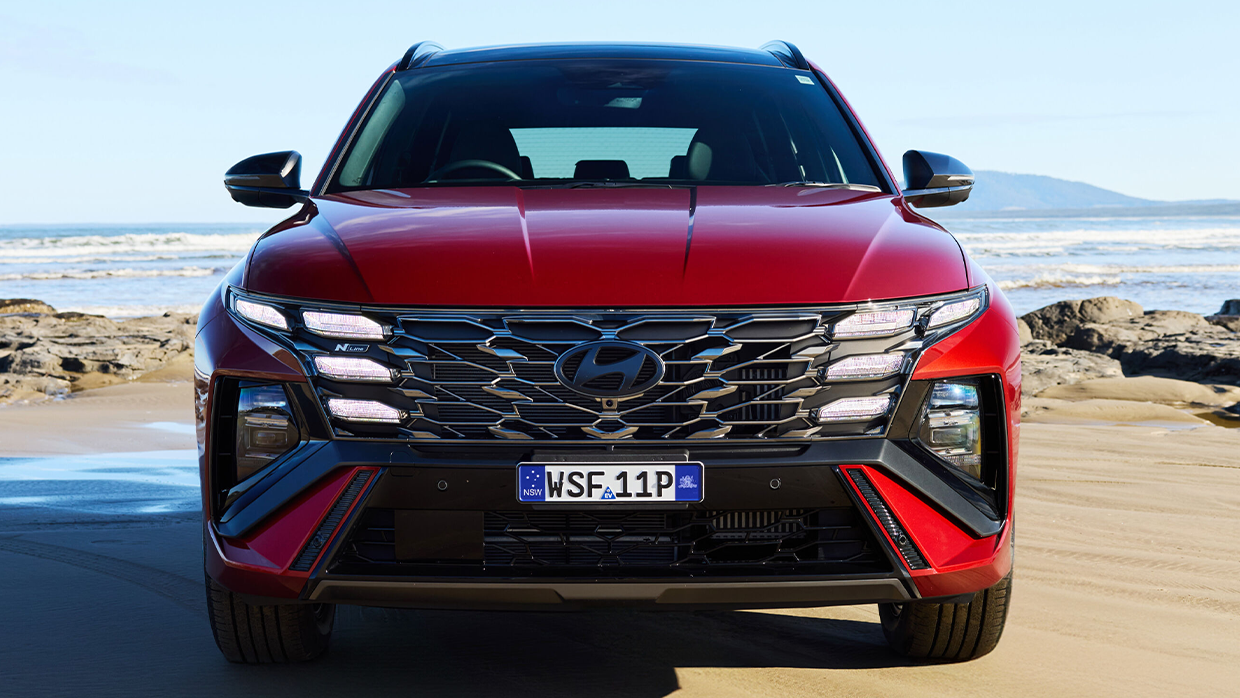
| Tucson Elite N-Line 1.6-litre turbo-hybrid FWD | $50,600 (reduced $2000) |
| Tucson Elite N-Line 1.6-litre turbo-hybrid AWD | $53,100 (reduced $2000) |
| Tucson Premium 1.6-litre turbo-hybrid AWD | $58,100 (reduced $1500) |
| Tucson Premium N-Line 1.6-litre turbo-hybrid AWD | $59,600 (reduced $1500) |
Hyundai provided no comment as to why the 1.6 turbo-petrol was axed, although it did provide Chasing Cars with sales data revealing the powertrain was the weakest seller, making up just 17 percent of new Tucson sales between June 2024 and July 2025.
Naturally aspirated 2.0-litre variants made up 32 percent of sales, undoubtedly assisted by fleet purchases, while 1.6-litre petrol-hybrid variants dominated with 51 percent of the sales total.
| Tucson powertrain | Sales total (June ’24 – July ’25) | Sales share |
|---|---|---|
| 1.6L turbo | 3500 | 17% |
| 2.0L naturally aspirated | 6430 | 32% |
| 1.6 turbo-hybrid | 10,323 | 51% |
| 20,253 | Total volume |
Failing to meet 2026 NVES emission regulations (117g/km for Type 1 vehicles) could also play a role in the simplification of the MY26 Tucson range.
Currently, no Tucson will meet the 2026 NVES targets. It comes closest with the 1.6 turbo-hybrid, which misses the mark by just 6g/km – posting 121g/km. Meanwhile, the 2.0-litre naturally aspirated variants miss the NVES benchmark significantly with a posting of 184g/km.
Rivals, predominantly Toyota, offer a wide diversity of hybrid vehicles, undoubtedly securing credits when stricter NVES rules come into effect next year.
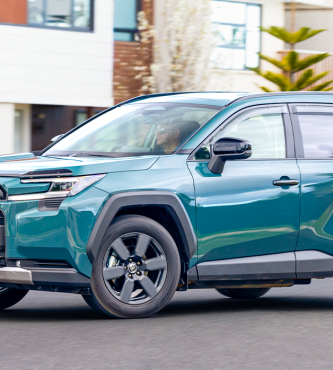
The Tucson-rivalling RAV4, which has been exclusively hybrid since June 2024, emits between 107g/km and 159g/km, depending on the variant.
Hyundai provided no comment on plans to reform the 2026 Tucson range in accordance with 2026 NVES.
Based on sales data from the FCAI, it is unlikely that sales of Hyundai’s electric vehicles will gain enough credits to warrant the long-term viability of the 2.0 MPi Tucson.
Hyundai sister brand Kia was Australia’s third most popular EV brand last quarter, providing more leeway to supply emission-heavy vehicles in volume. It will retain the 1.6-litre turbo-petrol and 2.0-litre turbo-diesel drivetrains across multiple models in its line-up.
Read more: Hyundai Tucson Elite N Line Hybrid long term review
Latest news
About Chasing cars
Chasing Cars reviews are 100% independent.
Because we are powered by Budget Direct Insurance, we don’t receive advertising or sales revenue from car manufacturers.
We’re truly independent – giving you Australia’s best car reviews.